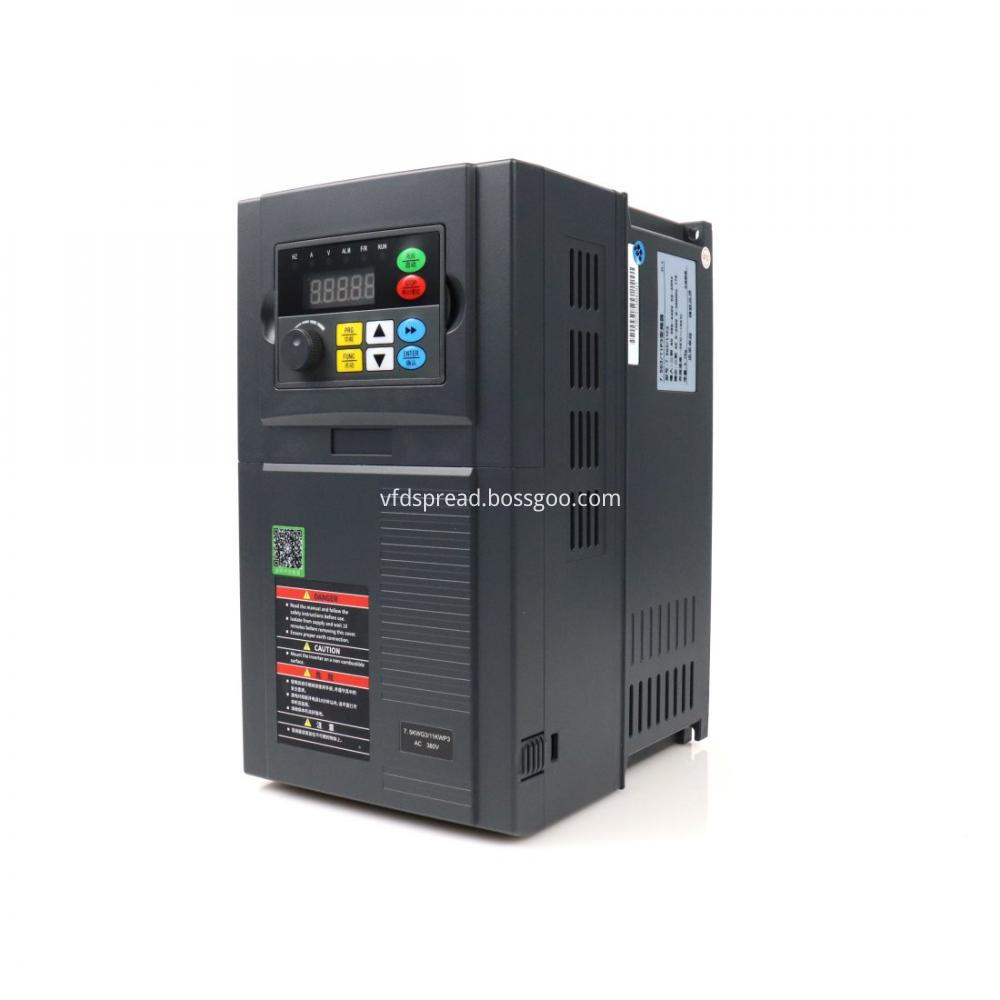
The use of VFDs has been steadily increasing over the past few years, and this trend is expected to continue. According to a report by MarketsandMarkets, the global market for VFDs is expected to grow from $19.2 billion in 2019 to $27.6 billion by 2024, at a CAGR of 7.5%. This growth can be attributed to the increasing demand for energy-efficient solutions in various industries, such as oil and gas, power generation, and water and wastewater treatment.
One of the key advantages of VFDs is their ability to regulate motor speed based on the load requirements. This means that the motor only runs at the required speed, reducing energy consumption and extending the lifespan of the motor. In addition, VFDs can also reduce the wear and tear on mechanical components, leading to lower maintenance costs and longer equipment life.
Another advantage of VFDs is their ability to provide soft starting and stopping of motors, which reduces the stress on the motor and the connected equipment. This leads to smoother operation and reduced downtime, improving productivity and overall equipment effectiveness.
380V 1.5KW Variable Frequency Drive
380V 2.2KW Variable Frequency Drive
380V 4KW Variable Frequency Drive
Vector 3-phase 220V 0.75KW Variable Frequency Drive
Vector 3-phase 220V 2.2KW Variable Frequency Drive
0.4KW 220V Single phase inverter
VFDs also have the ability to provide real-time monitoring and diagnostics, allowing operators to identify potential issues before they become major problems. This helps to reduce maintenance costs and improve equipment reliability, leading to increased uptime and productivity.As the demand for energy-efficient solutions continues to grow, VFDs are expected to play an increasingly important role in industrial operations. With their ability to reduce energy consumption, improve efficiency, and extend equipment life, VFDs are a valuable investment for any organization looking to improve their bottom line while reducing their environmental impact.
0
0
0
0