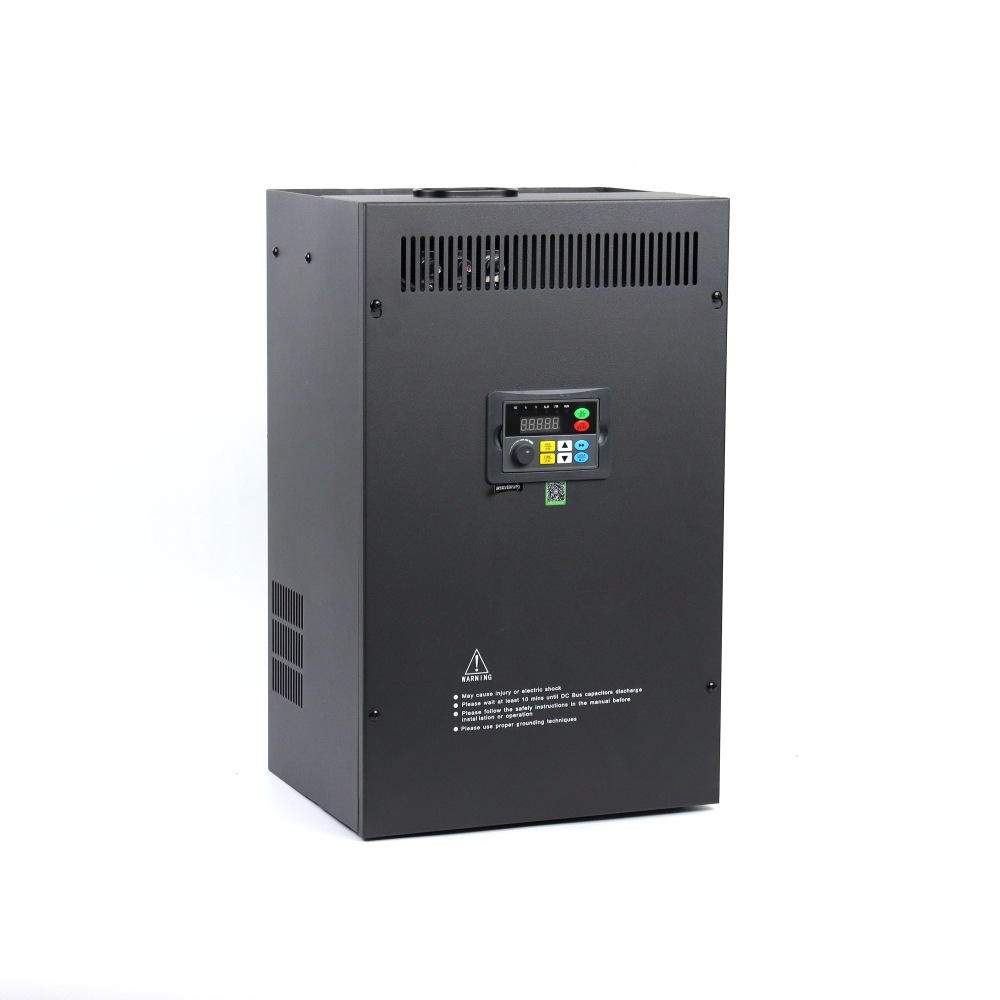
Variable Frequency Drive (VFD) is an electronic device that controls the speed of motors and generators by adjusting the frequency of the power supplied to them. VFDs are used in various industrial, commercial, and residential applications to improve energy efficiency, power quality, and process control.
VFDs use pulse-width modulation (PWM) technology to control the speed of the motor. PWM technology adjusts the voltage sent to the motor by rapidly switching it on and off, which results in a controlled average voltage and frequency. This provides precise control over the motor's speed and power output.
VFDs can be used for various applications, such as:
- Drag starting: VFDs can slowly start the motor during heavy load conditions, reducing the stress on the motor and providing better starting control.
- Energy efficiency: VFDs can optimize the motor's speed based on the required load, resulting in significant energy savings.
- Motion control: VFDs can provide precise speed and position control, making them ideal for applications requiring precise motion control.
However, VFDs also have some limitations, such as:
- Electromagnetic interference (EMI): The rapid switching of voltage can generate EMI, which may require additional shielding or filtering to reduce interference with other equipment.
- Reliability: The complex electronics of VFDs may be sensitive to environmental conditions and require proper maintenance and temperature control to maintain reliability.
In summary, Vary Frequency Drive (VFD) is a powerful tool for controlling motor speed and improving energy efficiency and process control. However, they require proper application and maintenance to fully realize their benefits.